
Estefania Caceres (she/her/hers), Low Entropy Volunteer Writer
This article was composed with the assistance of artificial intelligence
Let’s be real: realizing you aren’t “perfect” at something can feel like a punch to the gut. In a world of curated Instagram feeds and LinkedIn success stories, admitting you have a flaw feels less like growth and more like failing.
But here is the secret: recognizing a need for improvement isn’t a sign of weakness; it’s a high-level skill. To pull it off without spiraling into self-doubt, you need a specific toolkit. As simple as it sounds, it comes down to three pillars: honesty, courage and maturity.
Honesty: The Reality Check
You need to be honest with yourself for one primary reason: you cannot fix a problem you refuse to see. Self-honesty isn’t about being your own harshest critic; it’s about being an objective observer. Think of it like a GPS. If the GPS doesn’t know your actual current location, it can’t give you directions to where you want to go. When you lie to yourself about your habits, your work ethic or your social skills, you’re just staying lost.
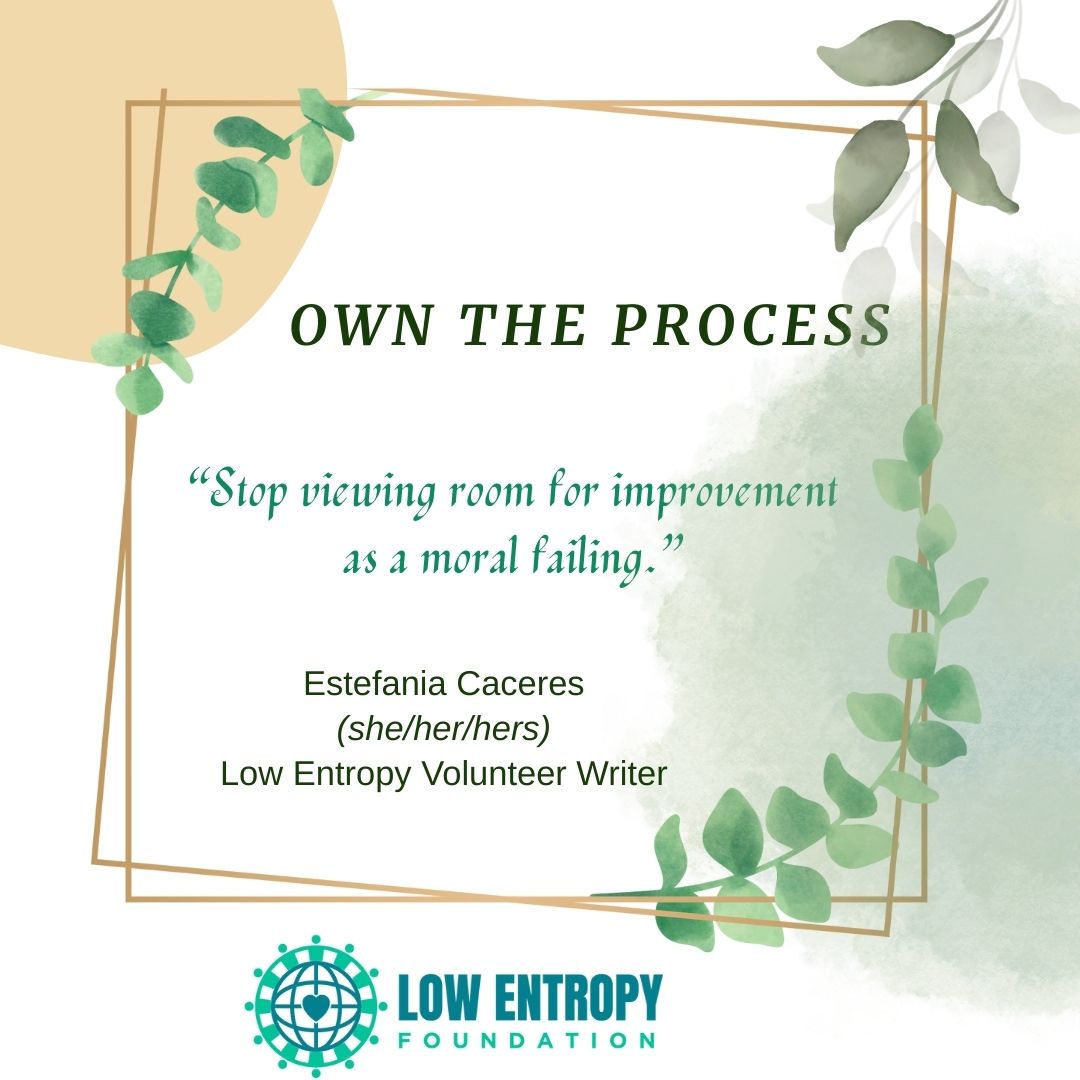
Shift your perspective. Stop viewing room for improvement as a moral failing. Being honest about a mistake doesn’t mean you are a mistake. It just means you’ve found a bug in the software that needs an update.
Courage: The Brave Face-Off
It takes zero effort to stay in denial. It takes massive courage to look at your reflection and say, “I’m not where I want to be yet.”
Growth is uncomfortable. It requires you to step out of the “I’m fine” bubble and face the possibility of temporary failure. You need courage to
• Ask for feedback (and actually listen to it)
• Try a new method that you might be bad at initially
• Admit to others—and yourself—that you’re a work in progress.
Courage is the bridge between knowing you need to change and actually doing it.
Maturity: Taking it Seriously, not Personally
This is the final piece of the puzzle. A mature person understands that their value as a human being is not tied to their current skill level.
When you lack maturity, every critique feels like a personal attack. If someone says your report needs more data, you hear, “You’re stupid.” If a friend says you’ve been distant, you hear, “You’re a bad person.”
Maturity allows you to separate your identity from your performance:
• Immaturity: “I failed, so I am a failure.”
• Maturity: “I failed, so I need to improve my strategy.”
The Bottom Line
Recognizing you need to improve doesn’t mean you aren’t “enough” right now. It means you have the vision to see a better version of yourself and the grit to chase it.
Next time you spot a flaw, don’t get down on yourself. Instead, lean into that trio: be honest about the gap, have the courage to face it and maintain the maturity to know that your potential is far greater than your current mistakes.
You aren’t broken and in need of repair; you’re an athlete in training. Own the process.
—
Estefania is a Dominican-Canadian writer living in Canada with a professional background in telecom and project management. She has been writing for as long as she can remember in her native language, Spanish. She is now writing more actively again, exploring English and even Spanglish (Spanish and English). She is a loving mom and wife who enjoys supporting others in many ways and is always happy to help.