Neema Ejercito (she/her/hers), Low Entropy Volunteer Writer
My second son recently told me he would appreciate it if I referred to them as they/them. Even when I first typed that sentence, I had to backspace and replace “him” with “them.” I already knew this about them years ago, when they first told me they were not cis.
Applying what I know, though, to the seemingly simple act of referring to them by different pronouns from here on out is not as easy as I thought. But I think one thing that contributed to my acceptance of their decisions over the years was them sharing their friends’ journeys of identification, and how devastating their parents’ non-acceptance was to them. At the heart of our conversations is not the fixation on their friends’ pronouns, but their sufferings, frustrations, and desires to be accepted, loved and understood.
It’s strange that something so deeply close to my heart and part of my very core is difficult to write about. Not because it’s distasteful nor even uncomfortable—seeing how my son thrives in their identity has taken all, if any, of my worries away. I suppose the difficulty lies in the fact that it’s something I will never be able to wrap my head around. I find that that is when I write best—when I’ve wrapped my head around whatever it is I am writing about.
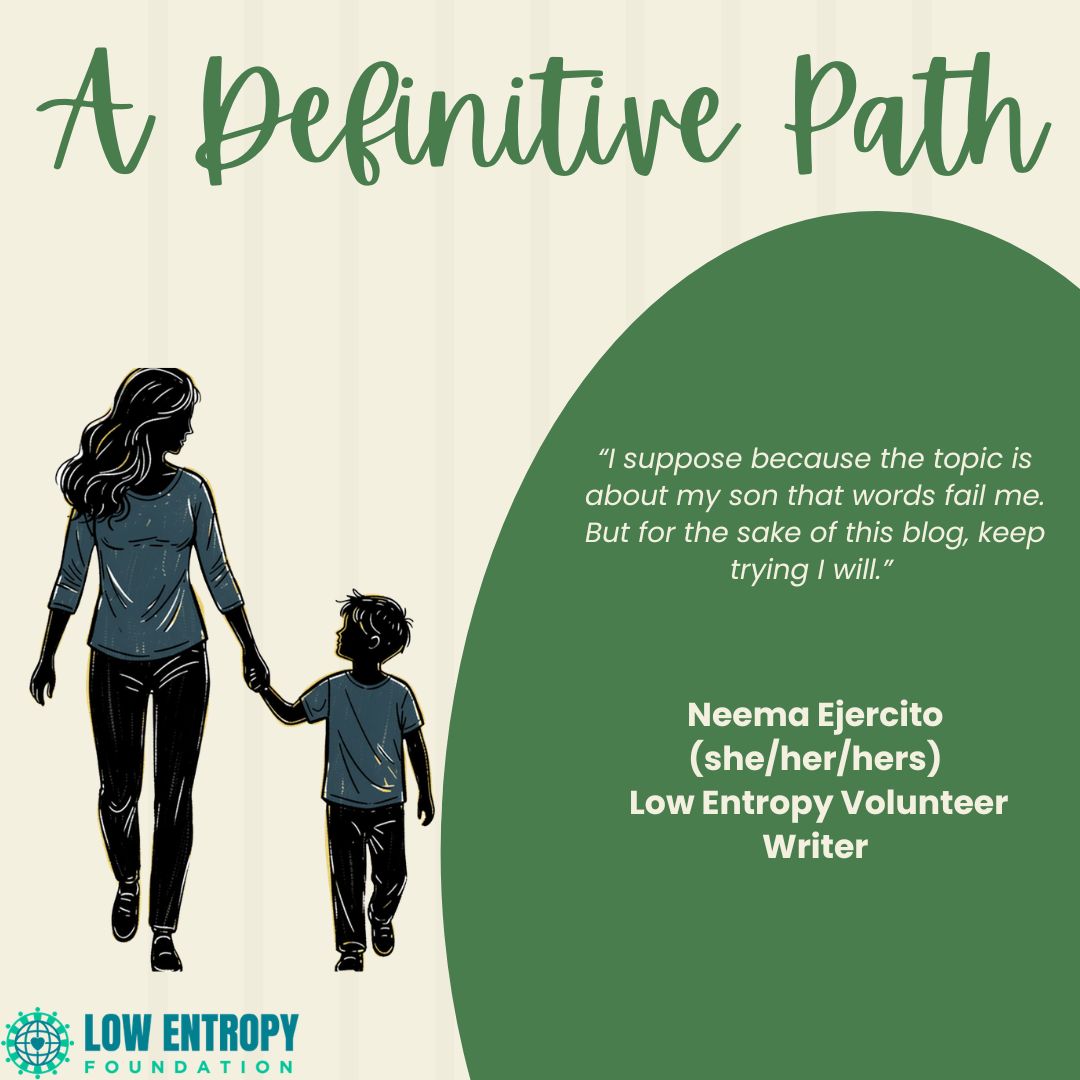
I suppose because the topic is about my son that words fail me. But for the sake of this blog, keep trying I will. They have introduced me to some wonderful manga and music artists that I did not even define as 2SLGBTQIA+. The stories just resonate with me. One of the manga is called My Lesbian Experience with Loneliness by Kabi Nagata (please reverse the name if you look for the title in a Western library or online store). Another is Isaki Uta’s Is Love the Answer? I was amazed by how self-aware, open, and wise these young artists are about sexuality, and how kind they are to themselves. And then to have just recently read in the news that the conservative registration of a binary family in Japan is now considered unconstitutional because it doesn’t reflect non-binary families—even more amazing!
I also recall when I became a big fan of Jeanette Winterson’s Oranges Are Not the Only Fruit in my uni days. A friend majoring in English literature lent his copy to me, and because I loved it, I gifted it to my dad. He asked if I knew Winterson was a lesbian because the writing was very much in that tone. I had no clue and frankly read no indications of her sexual preferences, and I took this to mean that I just really admired her writing.
In spite of my openness compared to most parents, as a young friend of mine commented when he saw that my son and I share manga interests with 2SLGBTQIA+ themes, I still do embarrass my son/myself (?) with my misunderstandings of the use of their friends’ pronouns. But I think the fact that we are able to talk about their concerns as growing individuals, whether they frame them as part of their gender experience or simply as an adult making their way through this weird, chaotic, messed-up, but also beautiful world we live in, I think we are going to continue to be okay. Not in a straight line, but on a definite path together.
Source:
López, Q. (2026, May 13). Japan just took a major step toward nonbinary legal recognition. Them. https://www.them.us/story/japan-osaka-high-court-nonbinary-ruling-family-registration-system
—
Before returning from her summer vacation in the Philippines with her partner and three offspring last year, Neema Ejercito did not realize that she still had so much to write about, such as the boredom she felt raising her eldest at her in-laws’ place when she and her husband hadn’t moved out yet. Or how surreal it was to watch her youngest learn to swim at the country club where she learned to do so as well. She currently wonders if she will ever write about being a mother to a bunch of plants, all of whom she adores and loves to watch grow as much as her kin.