
Grace Cheng (she/her/hers), Low Entropy Volunteer Writer
Food is one of the most fundamental necessities of life. It is needed to provide the body with the necessary energy and nutrients to grow, develop and function. In fact, without food, people cannot survive, work, learn or maintain good health. Apart from biological functions, food is also an essential element of culture, social relationships and economic development. That is, food is more than just a means of feeding animal hunger.
The primary importance of food lies in its role as an organic source of nutrition. The body needs nutrients to function properly: carbohydrates, proteins, fats, vitamins and minerals as well as water. The carbohydrate is one of the main sources of energy for the body, whereas protein is used to repair and maintain body tissues. The body stores energy with the help of fats. Important body functions also rely on fats. Vitamins and minerals have to be covered by food; they play a crucial role in immune defense, healthy bones and the correct functioning of body organs. A functional diet would include a variety of foods, providing nutrients and energy needed to keep the body healthy and active.
Food is also critical for growth and development. Children and adolescents require adequate nutrition for bone, muscle and organ development. Inadequate nutrition during childhood can cause growth problems, a weak immune system and learning difficulties. Adult nutrition is also necessary for maintaining good health, avoiding disease and carrying out daily tasks. Good nutrition can lead to a longer and healthier life, as it reduces the risk of diseases such as heart disease, diabetes and obesity.
In addition to physical health, food also has an especially important influence on mental health. Much research has revealed that healthy food helps concentration, memory and mood to a large extent. Since nutrient-rich food plays an important role in the functioning of the brain, a healthy diet reduces the chances of developing mental conditions like depression and anxiety. Bad eating habits can lead to fatigue, stress and reduced productivity. Consequently, food is equally essential for the body’s health as well as the mind’s.
We are so connected to food through culture. Every culture creates its own dishes, its own recipes, its own food rituals. Every culture is unique in this sense. Traditional foods are inherited from generation to generation and keep cultures alive. Food is a big part of celebrations, festivals, weddings and religious ceremonies in many countries around the world. Food preserves a sense of community and belonging, and sharing food with family and friends is so important. In many cultures, food is also an expression of hospitality.
Furthermore, the food sector is a significant part of the global economy. Agriculture, food processing, transportation and food service industries employ millions of people worldwide. Farmers, food manufacturers, and people working in the restaurant industry and more rely on the food sector for income. Food production and distribution also play a major role in national economies and international trade. With the growth of the world’s population, providing a reliable and sustainable supply of food is an important economic issue.
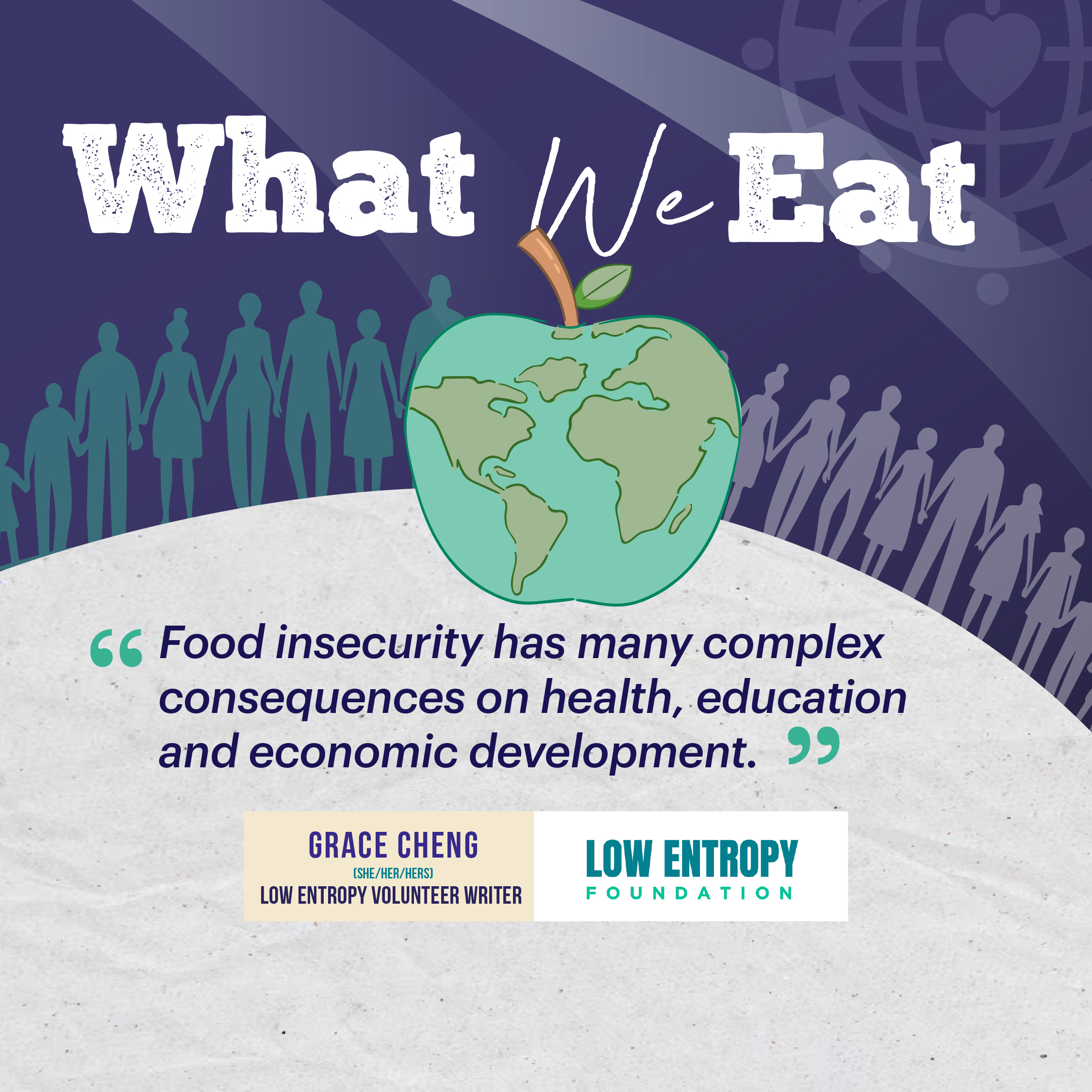
Equality of access to food is compromised even as the nutritional value of global food supply improves. Hunger and malnutrition affect millions of people worldwide owing to poverty, lack of food security, natural disasters and conflicts. Food insecurity has many complex consequences on health, education and economic development. Tackling the problem requires not only the coordination of governments, organizations and civil society, but also a large-scale effort to increase food production, reduce food waste and ensure that nutritious foods are available and affordable to all people.
In recent times, the importance of food sustainability has gained recognition. We have to feed our rapidly increasing population without harming the environment. We have to adopt sustainable farming practices and cut down on food waste. By playing a responsible part in the consumption of food, we can conserve many resources for our future.
In conclusion, food is an essential part of human life that enables us to live, grow, stay healthy and maintain our well-being. Food supplies the nutrients required for physical and mental growth, plays a role in the development of cultural practices, supports social relationships and is a major source of economic activity. However, challenges such as hunger, food insecurity and environmental sustainability issues underscore the need for food to be produced and consumed responsibly. Acknowledging the importance of food encourages society to treat it with value, to protect it and to use it in a wise manner.
—
Grace has an accounting and finance background. She enjoys reading, writing, listening to music, watching movies and playing sports.